
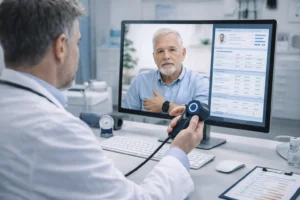
 Telemedicine represents a transformative shift in the global healthcare landscape, leveraging telecommunications technology to deliver clinical services remotely. This innovative approach bridges the gap between patients and healthcare providers, ensuring that high-quality medical expertise is accessible regardless of geographic location. By integrating digital communication tools into traditional practice, it redefines how medical consultations and treatments are conducted in the 24th century.
What Is Telemedicine?
A clear definition of telemedicine involves the use of electronic information and communication technologies to provide and support healthcare when distance separates the participants. It is a specific subset of the broader digital health movement, characterized by its focus on remote clinical diagnosis and treatment. Unlike general health-related apps, this field involves direct interaction between a licensed clinician and a patient for the purpose of managing health conditions. Understanding the distinction between telemedicine and telehealth is crucial for both providers and patients; while telehealth is an umbrella term encompassing non-clinical services like provider training and administrative meetings, telemedicine refers strictly to remote clinical services. This includes everything from a primary care physician reviewing a patient’s symptoms over a video call to a specialist analyzing digital imaging from a remote facility. The primary goal is to provide remote medical care that is as effective as in-person visits. As telemedicine healthcare continues to evolve, it utilizes high-definition video, secure messaging, and peripheral diagnostic devices to mirror the clinical experience. By removing the necessity of physical presence, it addresses long-standing barriers such as travel time, mobility issues, and the scarcity of specialists in rural areas, ultimately making the healthcare journey more patient-centric and efficient.
Importance of Telemedicine in Modern Healthcare
Expanding access to clinical expertise is perhaps the most significant contribution of this technology to modern society. It allows patients in underserved or rural regions to consult with world-class specialists without the burden of long-distance travel. Furthermore, it plays a vital role in reducing delays in diagnosis and treatment, as digital appointments can often be scheduled much faster than traditional office visits. This immediacy is particularly life-saving in acute situations where time is a critical factor. Beyond individual patient care, the system is instrumental in supporting healthcare system efficiency by triaging patients effectively and reducing the strain on physical emergency rooms and clinics. Virtual medical services allow for a more balanced distribution of medical labor, ensuring that resources are directed where they are needed most. By streamlining the patient flow, healthcare facilities can reduce overhead costs and focus their in-person resources on high-acuity cases that require physical intervention. The integration of telemedicine services also fosters a more proactive approach to public health, enabling rapid response during health crises or pandemics. As the industry moves toward value-based care, the ability to maintain constant, data-driven connections with patients ensures better health outcomes and higher levels of patient engagement. It is no longer a luxury but a fundamental pillar of a resilient and responsive national healthcare infrastructure.
Core Telemedicine Services
The architecture of digital clinical care is built upon several core services that cater to different stages of the patient journey. These services ensure that the clinical relationship remains strong and effective, even through a digital interface.
Remote Consultations and Diagnosis
Video and audio-based clinical consultations serve as the digital front door to the healthcare system. These real-time interactions allow doctors to perform visual inspections and history-taking just as they would in a physical exam room. Their use in primary care and specialist services has proven highly effective for managing common illnesses, mental health screenings, and pre-surgical evaluations. This direct line of communication ensures that patients receive professional guidance at the first sign of symptoms, preventing complications.
Remote Monitoring and Follow-Up
Post-treatment follow-up and monitoring are essential for ensuring a smooth recovery after surgery or acute illness. Through connected devices, clinicians can track vital signs and progress without requiring the patient to travel. This is especially transformative for chronic disease and long-term care support, where conditions like diabetes or heart disease require constant vigilance. By utilizing these tools, providers can intervene early if data trends indicate a potential issue, significantly improving long-term health stability.
Clinical Use Cases for Telemedicine
Primary care and urgent care services utilize these platforms to handle non-emergent issues like respiratory infections or skin conditions quickly. Additionally, mental health and behavioral health support have seen a massive surge in adoption, as the privacy of one’s home often encourages more consistent participation in therapy. Another vital application is found in specialist consultations and second opinions, where patients can share their medical records digitally with top experts globally to confirm a diagnosis or explore advanced treatment options without leaving their community.
Benefits of Telemedicine for Patients and Providers
The most immediate benefit is convenience and reduced travel requirements, saving patients time and money while eliminating the stress of logistics. This accessibility leads to improved continuity of care, as patients are more likely to attend follow-up appointments when they are easily accessible. For the medical community, it results in optimized use of healthcare resources, reducing “no-show” rates and allowing for more flexible clinician scheduling. These efficiencies allow providers to see more patients while maintaining a high standard of personalized interaction and clinical thoroughness.
Technology and Infrastructure Requirements
A successful implementation relies on secure communication platforms that meet strict regulatory standards for data transmission. Beyond software, the integration with electronic medical records (EMR) is vital so that every virtual encounter is documented and accessible for future reference. Furthermore, data privacy and cybersecurity considerations must be at the forefront of the infrastructure design. Protecting sensitive patient information from breaches is paramount to maintaining trust in digital systems, requiring robust encryption and multi-factor authentication to safeguard the entire clinical workflow.
Regulatory and Legal Considerations
Navigating licensing and cross-border practice issues is a significant legal task, as regulations often vary by region or country. Providers must ensure they are legally permitted to practice in the patient’s location. Patient consent and data protection protocols must be clearly communicated and documented during every session to ensure transparency. Additionally, establishing clear reimbursement and compliance frameworks is necessary so that providers are fairly compensated and services align with national health insurance policies, ensuring the long-term financial sustainability of remote care models.
Limitations and Challenges of Telemedicine
Despite its growth, clinical limitations for physical examinations remain a challenge; certain diagnoses still require palpation, auscultation, or in-person lab work. Moreover, digital access and literacy challenges can create a “digital divide,” where those without high-speed internet or tech skills are left behind. Technology reliability and adoption barriers, such as poor connectivity or resistance to change among older staff and patients, can also hinder the seamless delivery of care. Addressing these gaps is essential for creating a truly inclusive and universal healthcare system.
Future Outlook for Telemedicine
The future looks promising with the integration with AI-assisted diagnostics, which will help clinicians analyze patient data in real-time for more accurate decision-making. We expect a significant expansion into remote and underserved regions, bringing modern medicine to the most isolated corners of the globe. Ultimately, the long-term role in hybrid healthcare delivery models will see a permanent blend of physical and digital care. This hybrid approach ensures that the healthcare system remains flexible, scalable, and deeply integrated into the daily lives of the population it serves.